
The digital revolution has drastically transformed global commerce, and at the heart of this transformation lies e-commerce. As consumers increasingly shift from traditional brick-and-mortar stores to online platforms, logistics has become a central pillar of success in the digital age.
With rapid delivery expectations, real-time tracking demands, and a need for seamless returns, logistics operations have had to evolve dramatically. This evolution is not just about speed—it’s about flexibility, transparency, and efficiency at every stage of the supply chain.
The Demand for Speed and Efficiency
Online shopping has introduced a new standard in customer expectations. The convenience of browsing and purchasing from the comfort of one’s home has heightened demands for fast, accurate, and reliable deliveries. Same-day or next-day shipping, once a luxury, is now a baseline expectation for many consumers. To meet these demands, logistics providers have had to upgrade their capabilities significantly.
This includes the use of automation in warehouses, optimized routing for delivery vehicles, and predictive analytics to forecast order volumes. Fulfillment centers are increasingly located closer to urban hubs to reduce last-mile delivery times. All these innovations work together to create a logistics environment that supports the fast-paced nature of e-commerce.
Last-Mile Delivery: The Final Frontier
Last-mile delivery—the final step in the supply chain from distribution center to customer—is often the most complex and costly. With e-commerce volumes surging, managing this final leg has become both a challenge and a priority. Companies are experimenting with various solutions, including:
- Micro-fulfillment centers: Small, strategically located warehouses in urban areas that speed up last-mile delivery.
- Crowdsourced delivery services: Utilizing gig workers for flexible and fast delivery, similar to ride-sharing models.
- Autonomous delivery methods: Drones and delivery robots are being tested to overcome traffic congestion and labor shortages.
Improving last-mile delivery not only enhances customer satisfaction but also reduces delivery costs and carbon footprints, making logistics more sustainable in the long run.
Technology as a Catalyst for Transformation
Arjun Narayn, CEO of SalesDuo said, E-commerce logistics are heavily reliant on technology for streamlining operations and maintaining transparency. From inventory management systems to real-time tracking tools, every aspect of the logistics process is now digitized. These digital tools offer better visibility across the supply chain, helping businesses make faster, more informed decisions.
One of the most critical technological shifts has been the use of AI and machine learning. These tools enable more accurate demand forecasting, intelligent route planning, and predictive maintenance for delivery vehicles. IoT sensors embedded in packages and vehicles also provide real-time updates on location, temperature, and handling, ensuring that goods are delivered in optimal condition.
Moreover, blockchain is emerging as a powerful tool to enhance security and traceability in logistics. It ensures that every transaction or movement in the supply chain is recorded, verifiable, and tamper-proof—an invaluable feature for sensitive goods like pharmaceuticals or luxury items.
Reimagining Infrastructure and Fleet Management
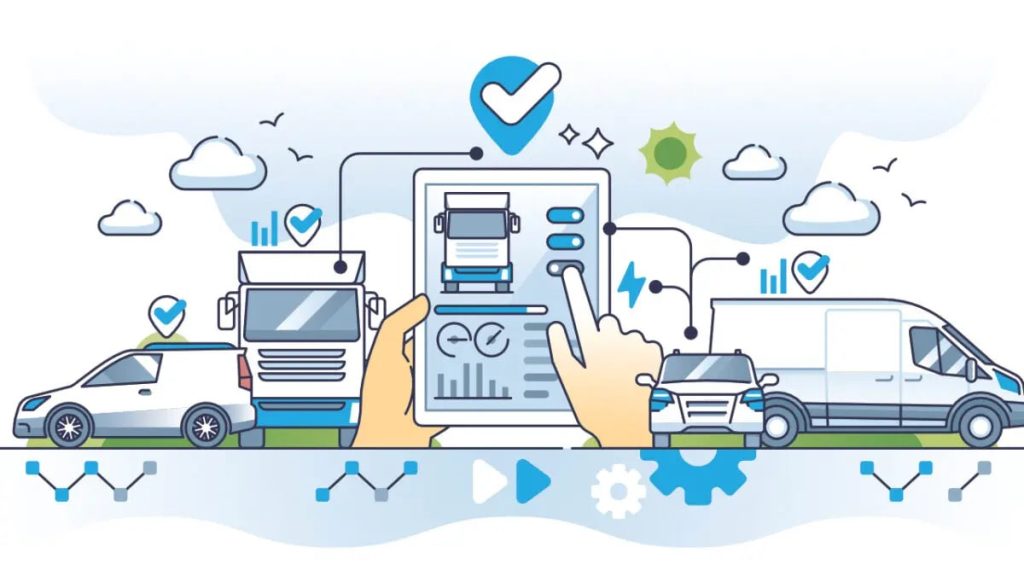
E-commerce growth has led to a rethinking of infrastructure needs. Warehouses now prioritize automation and space optimization. Many companies are also investing in green logistics, including electric vehicles and sustainable packaging, to meet environmental regulations and consumer preferences.
Fleet management, in particular, has undergone major innovations. The need to handle a high volume of deliveries efficiently has led logistics providers to adopt digital platforms for vehicle tracking, maintenance scheduling, and fuel optimization. One crucial yet often overlooked aspect is trucking ticket management, which plays a vital role in reducing administrative burdens and improving operational efficiency. By digitizing ticketing systems, companies can minimize paperwork errors, ensure timely billing, and maintain accurate delivery records—all essential in a high-speed logistics environment.
Reverse Logistics and Returns Management
Returns are an inevitable part of e-commerce. Whether it’s due to product dissatisfaction, sizing issues, or damage during transit, the volume of returns can be overwhelming. Efficient reverse logistics—the process of moving goods back from customers to sellers—has become a competitive differentiator for e-commerce brands.
Retailers now design logistics systems with reverse flows in mind. Return-friendly policies, prepaid shipping labels, and nearby drop-off points help improve customer experience. At the backend, companies are investing in systems that can quickly inspect, refurbish, or restock returned items to minimize losses and maintain inventory accuracy.
The Rise of Omnichannel Logistics
E-commerce no longer operates in isolation. Many retailers now adopt an omnichannel approach, where physical stores, mobile apps, and websites are seamlessly integrated to offer a unified customer experience. This has added another layer of complexity to logistics.
Omnichannel logistics must support ship-from-store, in-store pickup, and warehouse fulfillment, all coordinated through a centralized system. It requires real-time inventory visibility across all platforms, flexible warehousing strategies, and dynamic routing to ensure timely delivery regardless of the channel.
This fusion of physical and digital retail has pushed logistics providers to build more adaptive and resilient networks that can handle fluctuating demand and diverse delivery paths.
Looking Ahead: The Future of Logistics in the Digital Era
As e-commerce continues to evolve, so too will logistics. Emerging trends suggest a future dominated by hyper-personalized delivery options, smart warehouses powered by AI, and deeper integration between logistics and customer service platforms. Companies that invest in data-driven logistics strategies today will be better equipped to handle the complexities of tomorrow’s digital commerce landscape.
Sustainability will also play a more prominent role. Consumers and governments alike are pushing for eco-friendly practices, prompting innovations like carbon-neutral shipping, recyclable packaging, and circular supply chains.
Conclusion
The rise of e-commerce has undeniably reshaped logistics, demanding greater speed, transparency, and flexibility than ever before. Technology is the linchpin of this transformation, enabling real-time visibility, efficient fleet management, and seamless returns. As consumer expectations continue to evolve, logistics providers must remain agile, leveraging digital tools and sustainable practices to stay competitive. In this digital age, logistics isn’t just a backend function—it’s a strategic asset that defines the success of modern commerce.

