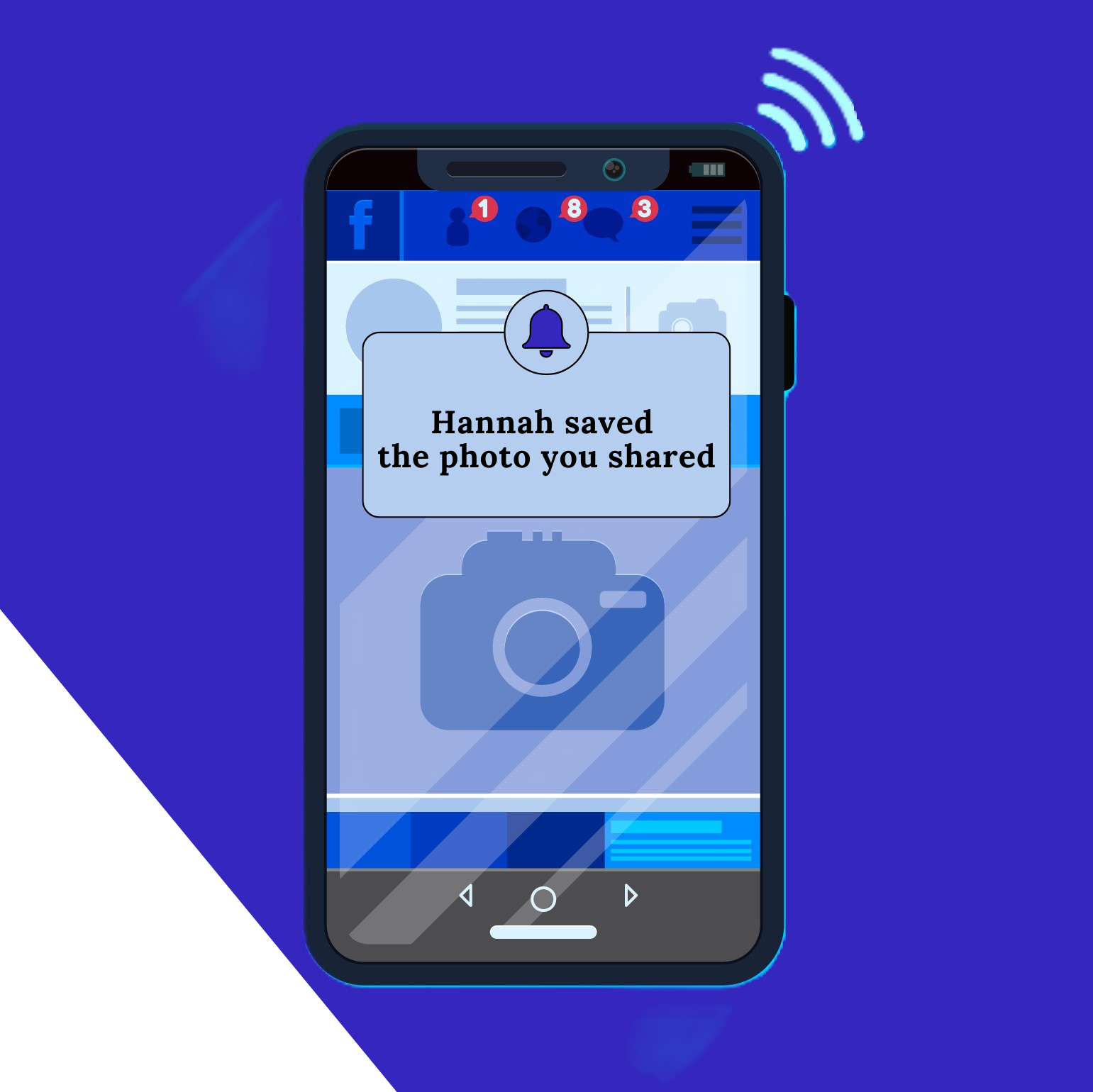
For several years now, Facebook has been one of the most popular social media platforms for both businesses and regular users. It is widely used for marketing strategies as well as to share photos, videos, and other content with friends and family. However, many users question whether Facebook notifies others when they save a photo from the platform. Many users also manage multiple Facebook accounts, whether for business pages, client work, or personal use, and need clarity on how certain actions are handled across profiles. One common question is whether Facebook notifies others when they save a photo from the platform.
Through this article, you’ll find out does facebook alert when you save a photo and get a better understanding of what really happens when you save a photo on Facebook.
Key Takeaways
• No notifications: Facebook does not notify users when someone saves their photos to their device
• Story screenshots: Facebook doesn’t alert users when you screenshot their stories, unlike Instagram or Snapchat
• Privacy settings: While saving photos doesn’t trigger notifications, your privacy settings control who can see and download your images
• Legal considerations: Saving images for personal use is generally acceptable, but commercial use may violate copyright laws
• Best practices: Always ask permission before sharing someone else’s photos, even if Facebook doesn’t notify them when you save them
Does Facebook Alert When You Save a Photo?
The short answer is no – Facebook does not send notifications when someone saves or downloads your photos to their device. This applies to all Facebook platforms, including the main app, Facebook Lite, and the mobile website version.
Unlike platforms such as Snapchat and Instagram (which can notify users when someone takes a screenshot of their stories), Facebook maintains a different approach to photo privacy. When you save a photo from Facebook:
- • The photo owner receives no notification or alert
- • There’s no indication in their activity log
- • They cannot see who has downloaded their images
This same rule applies to Facebook Stories as well. As of 2025, Facebook still doesn’t notify users when someone takes a screenshot of their stories. This stands in contrast to other Meta-owned platforms like Instagram, which has occasionally tested screenshot notifications for stories.
However, it’s worth noting that Facebook’s privacy policies evolve. While the platform currently doesn’t notify users about saved photos, their approach to privacy features often changes with new updates. The most current policy (as of March 2025) maintains no notifications for saved photos.
How to Download Pictures From Facebook?
Facebook is a widely popular online photo-sharing platform that allows users to share their pictures with friends and family. People always make good use of AI photo editing tools such as Akool, image extender to enhance pictures. Many also turn to professional photo editing services to retouch, enhance, or customize saved images for personal or commercial use.
When you stumble upon a photo that catches your eye, you may want to save it for future reference. Saving a photo on Facebook is simple and convenient. Here’s how you can do it:
1. Find the photo you want to save on Facebook.
2. Click on the photo to open it.
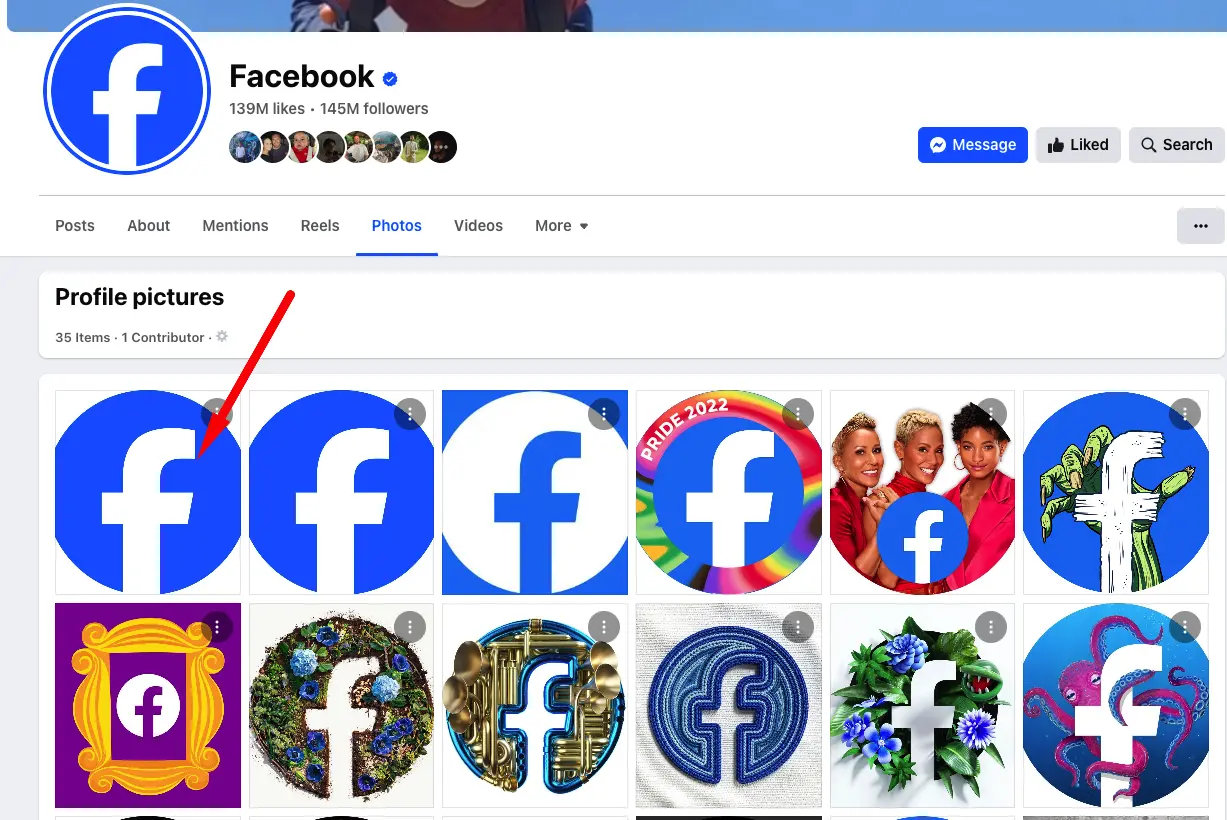
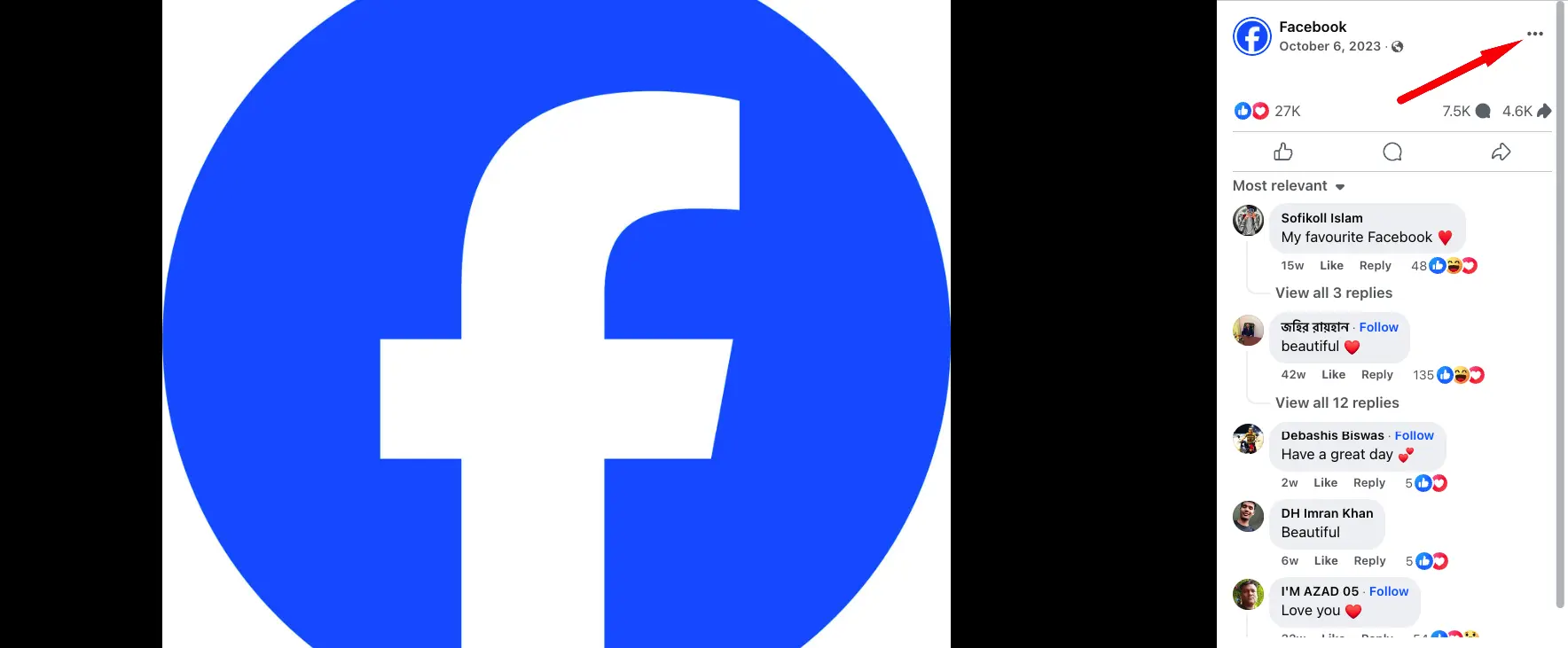
3. In the upper-right corner, click on the menu button (represented by three dots).
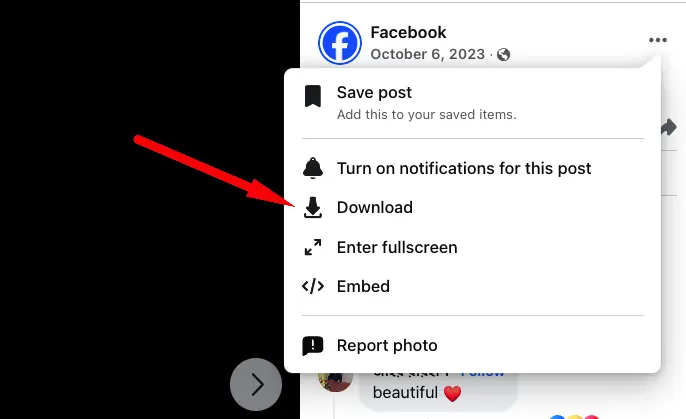
4. From the menu options, select “Download” or “Save to device.”
By following these steps, you can quickly download a photo from Facebook to your device without any hassle. But what happens after you save the photo?
What Happens When You Save a Photo?
When you save a photo from Facebook, a few things happen behind the scenes:
- • Local copy created: The image file is transferred to your device’s storage
- • Metadata may transfer: Some photos may contain metadata like location or camera information
- • Facebook tracks the action: While the photo owner isn’t notified, Facebook’s systems do record the action in their analytics
- • The original remains: Saving doesn’t remove or alter the original photo on Facebook
It’s important to understand that even though Facebook doesn’t notify others when you save their photos, the platform itself tracks these actions as part of their overall usage data. This tracking helps Facebook improve their services and personalize your experience, but doesn’t breach the privacy between users.
Privacy Tips for Facebook Photos
If you’re concerned about your own photos being saved without your knowledge, there are several ways to better protect your content on Facebook:
- 1. Adjust your privacy settings:
- • Go to Settings & Privacy > Settings
- • Select “Privacy” from the left menu
- • Adjust “Who can see your future posts?” to limit your audience
- • Use the “Review all your posts and things you’re tagged in” tool
- 2. Limit photo album visibility:
- • When creating or editing albums, click the audience selector
- • Choose who can see your albums (Public, Friends, Only Me, or Custom)
- 3. Watermark valuable content:
- • Add a light watermark to photos you don’t want others to use
- • Position the watermark where it’s difficult to crop out
- 4. Use lower resolution images:
- • For sensitive or professional content, consider posting lower resolution versions
- • This makes photos less valuable for unauthorized reuse
- 5. Review tagging settings:
- • Go to Settings & Privacy > Settings
- • Select “Profile and Tagging”
- • Enable “Review tags people add to your posts before they appear”
Taking these steps helps you maintain better control over who sees and potentially saves your Facebook photos. Remember that best practices for posting photos on Facebook include thinking carefully about what you share in the first place.
Additional Tips for Privacy and Security on Facebook
Beyond photo-specific settings, protect your overall Facebook privacy with these additional measures:
- 1. Regular privacy checkups:
- • Use Facebook’s Privacy Checkup tool (found under Settings & Privacy)
- • Review and adjust who can see your content
- • Check app permissions and data settings
- 2. Enable two-factor authentication:
- • Go to Settings & Privacy > Settings
- • Select “Security and Login”
- • Set up two-factor authentication for added security
- 3. Review connected apps:
- • In Settings, go to “Apps and Websites”
- • Remove any unnecessary third-party connections
- • Limit permissions for remaining apps
- 4. Check location settings:
- • Turn off location history and background location access
- • Clear previously stored location data
- 5. Protect children’s privacy:
- • Avoid posting identifiable photos of children
- • Never share their full names, schools, or locations
- • Consider using private albums viewable only to close family for child photos
- • Regularly check privacy settings on family photos
- • Talk to older children about their digital footprint
These security practices enhance not just photo privacy but your overall Facebook security. For added protection in private communications, learn about messenger chats security best practices.
Be Mindful of Third-Party Apps and Extensions
While Facebook itself doesn’t notify users when photos are saved, some third-party tools and browser extensions claim to offer notification features or additional download capabilities. Be cautious with these tools:
- 1. Avoid unofficial apps: Third-party apps promising to show who saved your photos often violate Facebook’s terms of service
- 2. Check permissions: Any app requesting access to your Facebook account may collect more data than you realize
- 3. Review extension privacy policies: Browser extensions that interact with Facebook should be vetted carefully
- 4. Watch for scams: “See who viewed your profile” or “Know who saved your photos” apps are typically scams
Remember that legitimate Facebook features come through official updates, not third-party tools. If you’re concerned about privacy, stick to official Facebook settings and avoid granting permissions to unknown applications.
Legal and Ethical Considerations
While Facebook doesn’t notify users when their photos are saved, there are important legal and ethical considerations to keep in mind:
Legal aspects:
- 1. Copyright protection: Photos posted on Facebook remain the intellectual property of the creator
- 2. Fair use: Saving photos for personal viewing generally falls under fair use
- 3. Commercial use: Using saved photos for business purposes without permission may violate copyright law
- 4. Country-specific laws: Some regions have stricter digital copyright enforcement than others
Ethical considerations:
- 1. Respect original creators: Just because you can save someone’s photo without them knowing doesn’t mean you should
- 2. Ask permission before sharing: If you want to repost someone’s photo, ask them first
- 3. Give credit: When sharing content, always attribute the original creator
- 4. Consider context: Photos taken in private settings deserve more privacy consideration
The absence of notifications doesn’t reduce your responsibility to respect others’ content. Building trust on social platforms involves treating others’ digital property with the same respect you’d want for your own. This helps create healthier social communities where people feel comfortable making friends and sharing authentic content.
Conclusion
To sum up, Facebook does not notify users when someone saves their photos. This applies across the platform, including photos in regular posts, albums, and stories. While this gives users freedom to save content they find meaningful, it also places responsibility on everyone to use this capability ethically.
Facebook’s approach to photo saving stands in contrast to some other social platforms, reflecting their different priorities around user experience and privacy. As social media continues evolving, features around content saving and privacy notifications may change.
For now, the best approach is to:
- • Be mindful of what photos you post to Facebook
- • Use privacy settings to control who sees your content
- • Respect others’ content by asking permission before sharing
- • Stay up to date on Facebook’s privacy policy changes
By balancing convenience with respect for privacy and intellectual property, we can all contribute to a more positive social media environment.
Frequently Asked Questions
Can someone tell if you look at their pictures on Facebook?
No, Facebook does not notify users when someone looks at their pictures or profiles. Facebook has strict privacy policies in place to protect the privacy of its users. While the platform records profile views for internal purposes, this information is not shared with other users.
Does Facebook notify when you save a video?
Similar to saving a photo, Facebook does not notify the owner when you save a video. You can save videos on Facebook without any concerns about the owner being notified.
Does Facebook notify when you look at a profile?
No, Facebook profile searches are private, and the platform does not notify users when someone looks at their profile. Your profile views remain confidential, allowing you to browse other users’ profiles without notifications being sent.
Can you see if someone saved your photo in messenger?
No, Facebook Messenger does not provide notifications when someone saves photos sent through private messages. When you share images in Messenger conversations, the recipient can save them without you receiving any alert. This is true for one-on-one conversations and group chats alike.

