
The concept of working remotely has grown from a fringe lifestyle to a popular choice. Thanks to high-speed internet, cloud solutions, and handheld devices, that have made it possible for people to work from anywhere. This flexibility has encouraged professionals to take their work on the road, combining professional obligations with the thrill of exploring new places.
The shift gained momentum as companies embraced remote work policies. Employees no longer need to reside near the corporate office to be productive. Instead, coffee shops, co-working spaces, and even beachside cafés now serve as temporary workplaces for an expanding global workforce. This trend has transformed work into something that adapts to personal lifestyle choices rather than the other way around.
Social Media as a Catalyst for Remote Work
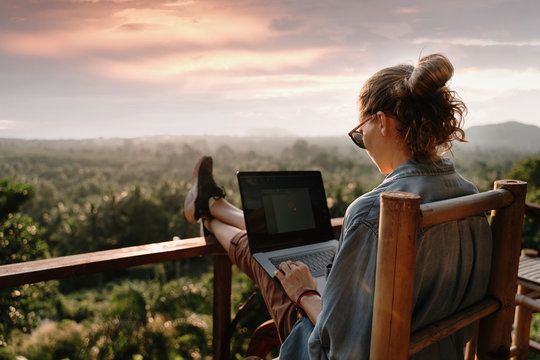
Social media plays a major role in spreading the digital nomad lifestyle. Social media platforms showcase stories of people working from tropical islands, countries like Malaysia, or serene mountain retreats. These images and videos often inspire others to imagine themselves living a similar lifestyle.
Beyond inspiration, social platforms provide valuable resources. Travelers exchange advice on visas, accommodation, and the best co-working spaces in different countries. Communities form around hashtags or location tags, making it easier for remote workers to connect with like-minded travelers. This online sharing has turned individual adventures into a collective global movement.
The Global Lifestyle Appeal
The appeal of the digital nomad lifestyle goes beyond stunning photos. It offers the chance to immerse oneself in different cultures, experience unique cuisines, and adapt to new environments. Many remote workers schedule projects around sightseeing or cultural events, blending productivity with personal enrichment.
Financial benefits also have a huge role to play. Living in countries like Malaysia with lower costs of living while earning income in stronger currencies can help travelers save money or stretch their budgets. Some nomads choose longer stays to experience destinations more deeply while reducing usual travel expenses.
Navigating Practical Challenges
While the lifestyle is attractive, it requires careful planning. Time zone differences can complicate communication with clients or teams. Reliable internet is essential for remote work, and finding consistent connectivity in new destinations can be challenging. In these situations, mobile solutions such as a Malaysia tourist eSIM can help ensure uninterrupted access while exploring Southeast Asia.
Housing and workspaces also require consideration. Some remote workers rely on short-term rentals with good Wi-Fi, while others invest in co-living spaces designed for traveling professionals. Learning to adapt quickly to new surroundings becomes part of the routine.
Social Media’s Role in Building Community
Another aspect that keeps the digital nomad lifestyle thriving is the sense of global community fostered through social media. Travelers can meet peers virtually before ever arriving in a city. Events and meetups often originate from online groups, offering opportunities for collaboration or friendship.
Sharing work setups, travel experiences, and even challenges creates a sense of authenticity that draws others in. By providing this human connection, social media reduces the sense of isolation that can come from constantly moving between countries. It also keeps motivation high by showcasing what is achievable with careful planning and the right tools.
Balancing Work and Travel
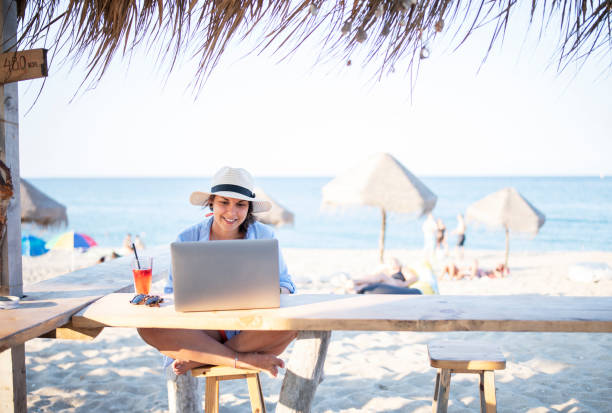
Maintaining productivity on the move requires discipline. Successful digital nomads often establish routines to keep projects on track while still leaving time for exploration. Choosing accommodations near co-working spaces or cafés can help you stay focused.
Traveling with minimal equipment helps simplify the lifestyle. A lightweight laptop, portable power solutions, and steady internet access can transform any corner into a functioning office.
The Long-Term Future of Remote Work
The rise of remote work has shifted expectations for both employees and employers. Many companies now recognize that results matter more than where work is performed. This change in mindset is likely to sustain the growth of digital nomadism for years to come.
Governments are responding with special visas to attract remote workers. Countries from Portugal to Thailand have introduced programs to welcome professionals seeking longer stays. Meanwhile, travel infrastructure continues to adapt, with co-living spaces, nomad-friendly cafés, and flexible accommodation services emerging worldwide.
Preparing for a Mobile Career
Those considering this lifestyle benefit from starting with clear priorities. Reliable income, proper documentation, and a plan for maintaining productivity are essential. Exploring slower travel schedules can reduce stress and allow time to adjust to each destination.
Having flexible connectivity options also helps smooth the experience. Using an eSIM during a tour can provide instant data access and make communication with clients seamless. It allows remote workers to focus more on work and cultural exploration rather than technical challenges.
The rise of the digital nomad reflects a new era of freedom in how work and travel intersect. Social media has amplified the lifestyle, offering inspiration and practical guidance to millions. For those ready to embrace flexibility and thoughtful planning, this lifestyle offers a unique blend of adventure and professional opportunity. The combination of online communities, mobile tools, and global accessibility ensures that the journey of the digital nomad is just beginning.

